Preparing Your Caravan for Gravel Roads
Everything you need to know before towing on unsealed roads — stone protection, tyre pressures, speed, and inspection.
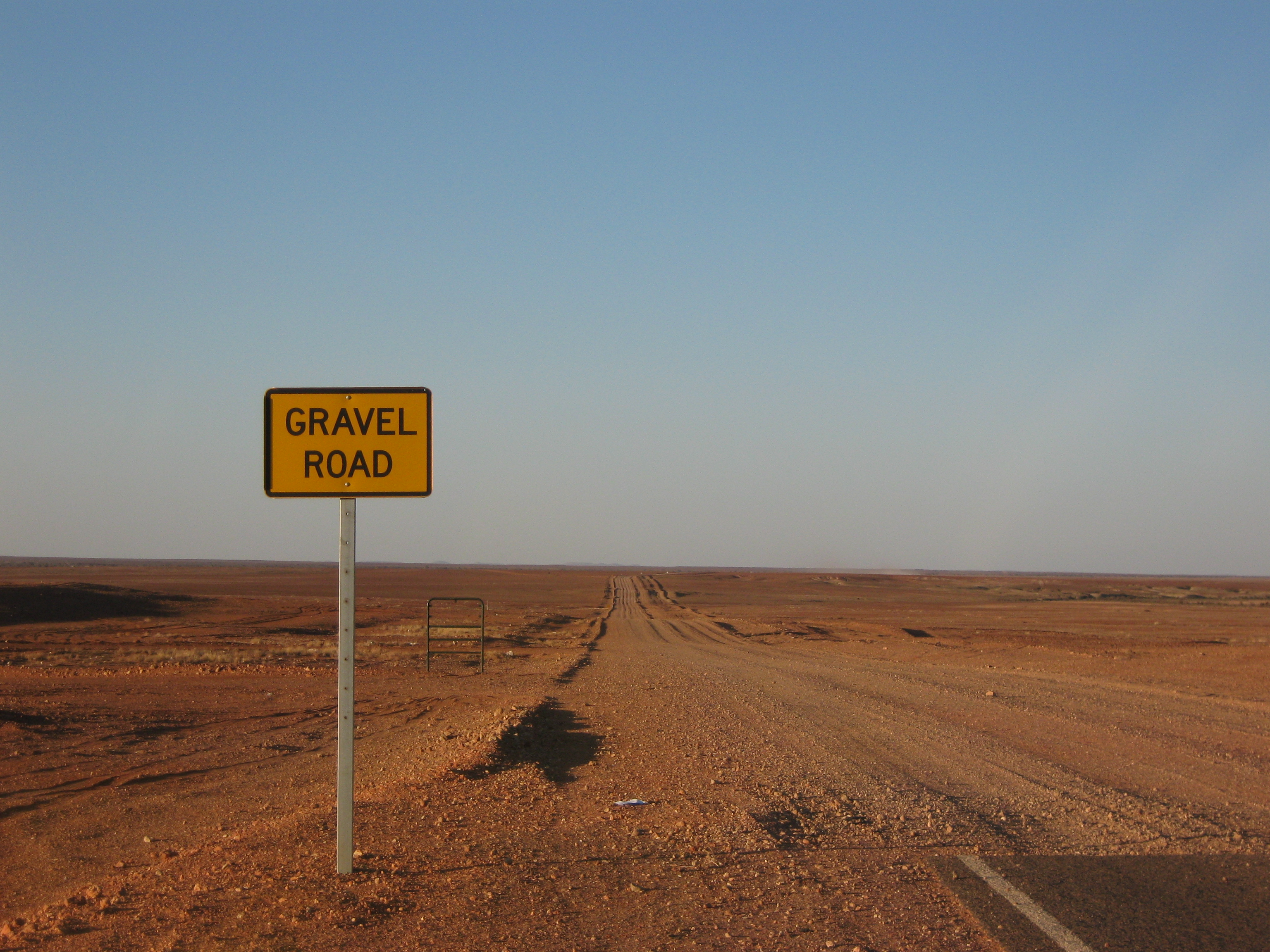
Rule #1: Fit a Stone Guard Before You Leave the Bitumen
Gravel roads multiply stone strike risk by 10x compared to sealed roads. A quality stone guard like the D-Flector is non-negotiable for unsealed road towing. Install it before your trip — it takes 10 minutes and protects your caravan's most vulnerable components.
1. Stone Protection
On gravel roads, the tow vehicle's rear tyres continuously throw stones, gravel, and debris at the caravan. Without protection, you'll sustain significant damage to the front panel, A-frame components, gas bottles, water lines, and electrical connections within the first few kilometres.
Essential Protection Checklist
- ✓ Stone guard fitted to A-frame (D-Flector recommended)
- ✓ Gas bottle valves shielded from stone strikes
- ✓ Water tank and lines protected or routed away from strike zone
- ✓ Electrical wiring and junction boxes secured
- ✓ Tow vehicle rear mud flaps in good condition
2. Tyre Pressures
Reducing tyre pressures on gravel improves grip, reduces puncture risk, and smooths the ride. However, going too low increases sidewall flex and heat buildup.
| Road Type | Tow Vehicle | Caravan |
|---|---|---|
| Sealed highway | Manufacturer spec | Manufacturer spec |
| Well-maintained gravel | Reduce 10-15% | Reduce 10% |
| Rough corrugated track | Reduce 15-20% | Reduce 10-15% |
| Sand / soft surfaces | Reduce 25-40% | Reduce 20-30% |
Important: Always re-inflate to highway pressures before returning to sealed roads. Carry a quality tyre gauge and portable compressor.
3. Speed Management
Speed is the biggest factor in gravel road damage and safety. Reducing speed dramatically reduces stone throw energy, dust intrusion, and accident risk.
Oncoming vehicles: Slow to 40 km/h or stop when passing oncoming vehicles on gravel. Their tyres throw stones at closing speed — at 80 km/h each, that's 160 km/h impact velocity on your windscreen.
4. Pre-Trip Inspection
Before hitting gravel, do a thorough walk-around inspection. Gravel roads shake everything loose — if it's not tight before you start, it won't survive the trip.
5. Popular Australian Gravel Routes
These iconic routes demand proper stone protection. Every one of them will test your caravan's resilience.
Gibb River Road, WA
Challenging660 km — Corrugated, river crossings, remote. Stone guard essential.

Oodnadatta Track, SA
Moderate-Hard620 km — Gibber plains, bulldust holes. Extremely stony sections.
Cape York Peninsula, QLD
Challenging950 km — Creek crossings, corrugation, tropical conditions.
Savannah Way, QLD-NT-WA
Moderate3,700 km — Mix of sealed and unsealed. Some very rough sections.
Great Central Road, WA-NT
Moderate1,100 km — Red dirt, corrugation, long distances between services.
Protect Your Caravan Before You Hit the Gravel
The D-Flector Stone Guard installs in 10 minutes and protects against everything gravel roads throw at your caravan. Fit it once before your trip and forget about it.
All Guides
Off-Road Caravan Guide
Protecting and preparing your off-road caravan for outback tracks.
Best Tow Vehicle Guide
Choose the right tow vehicle and protect it from stone damage.
Mud Flaps vs Stone Guards
Which is better? Coverage, cost and convenience compared.
Best Caravan Accessories
Every essential accessory for Australian caravan travel.
Protection Checklist
Full checklist covering every area of caravan protection.
Installation Guide
Step-by-step instructions for fitting a stone guard.
Caravan Window Protection
Protect caravan windows from stone chips and cracks.
Under Caravan Protection
Shield your undercarriage from stones and debris.
DIY Stone Guard Build
Build your own stone guard from scratch.
Outback Trip Checklist
Everything to check before an outback caravan trip.
Tow Vehicle Stone Guard
Protect your tow vehicle from stone damage.